Delays and solutions for bulky rubbish removal in N5
Posted on 08/07/2026
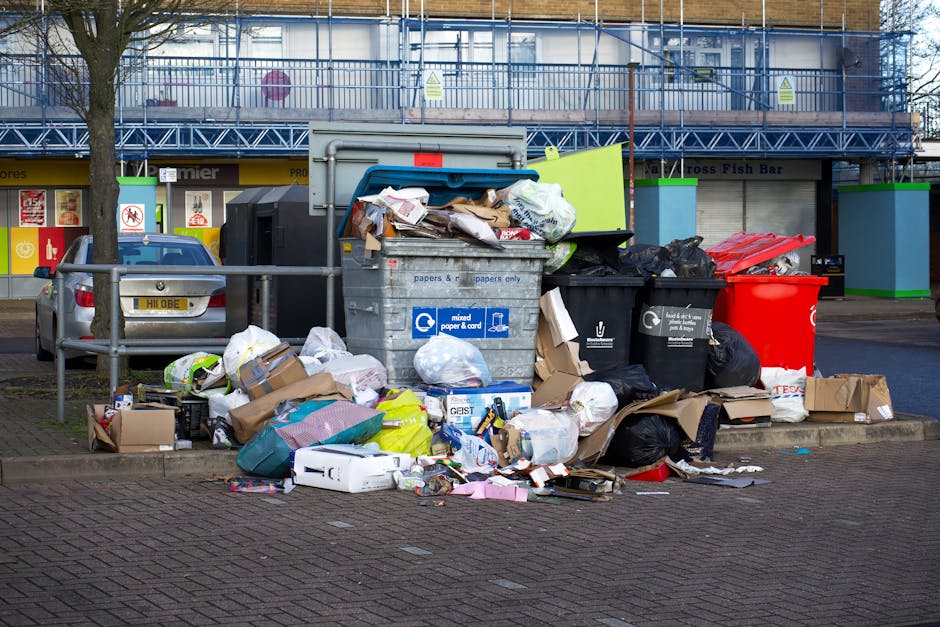
If you have ever stood in a hallway with an old sofa, a broken wardrobe, and a growing sense of "this should have been gone yesterday," you already know the frustration behind delays and solutions for bulky rubbish removal in N5. Large items are awkward, local access can be tight, and even a simple booking can turn messy if timings, parking, or item lists are off. The good news? Most delays are predictable, and once you know where they come from, they are usually fixable without much drama.
This guide breaks down the common hold-ups, what actually causes them, and how to get a bulky waste collection moving smoothly in a busy North London postcode. You will also find a practical checklist, a comparison of removal options, and a few real-world pointers that make the process feel a lot less like guesswork.
- Why delays matter in N5
- How bulky rubbish removal works
- Key benefits of a well-planned clearance
- Who needs this service
- Step-by-step guidance
- Expert tips
- Common mistakes to avoid
- Tools and resources
- Law, compliance, and best practice
- Options and comparison table
- Case study example
- Practical checklist
- Conclusion
- Frequently asked questions
Why Delays and solutions for bulky rubbish removal in N5 Matters
Bulky rubbish is not just "more rubbish." It is the stuff that gets in the way of daily life: mattresses, wardrobes, exercise equipment, broken desks, old fencing, bed frames, white goods, and other items that are too heavy or awkward for a normal bin collection. In N5, delays matter because homes and streets tend to be busy, access can be tight, and wasted time usually means extra clutter sitting around in the way.
A delay can create a chain reaction. If furniture is blocking a room, decorators cannot start. If a loft is full of old junk, a sale or rental handover may stall. If a landlord, tenant, or homeowner is trying to clear space for a move, even a short delay can become a genuine headache. And let's face it, bulky waste tends to look worse the longer it stays. One day it is an inconvenience; two days later it feels like the room has gone on strike.
There is also a practical safety angle. Heavy items can trip people, block fire routes, or make stairs and narrow hallways harder to use. In shared buildings, that can create tension very quickly. You do not want a sofa wedged in the lobby while everybody else is trying to get past with shopping bags and prams.
That is why it helps to think about bulky rubbish removal as a small project, not just a pickup. When you plan for access, item size, lifting, and collection timing up front, you cut out most of the avoidable delays.
Key takeaway: most bulky waste delays are not random. They usually come down to access, unclear item details, poor timing, or the wrong removal method for the job.
How Delays and solutions for bulky rubbish removal in N5 Works
At its simplest, bulky rubbish removal is a process of identifying what needs to go, arranging the right collection method, and making sure the items can actually be taken away on the day. Sounds straightforward. Usually is. But the devil is in the details, and that is where delays sneak in.
A typical collection follows a few stages:
- Assessment: You list the items, note how many there are, and mention anything unusually heavy, awkward, or dismantled.
- Access check: The team needs to know about stairs, lift access, parking restrictions, loading points, and any entry codes.
- Time booking: A sensible slot is arranged, ideally when the building is accessible and someone can confirm the items.
- Collection and loading: The crew removes the bulky waste, usually with lifting equipment, loading techniques, and proper transport arrangements.
- Sorting and disposal: Items may be separated for reuse, recycling, or disposal depending on type and condition.
Delays often happen when one of those steps is under-described. For example, a "single wardrobe" might turn into a wardrobe, a matching chest of drawers, and a disassembled bed base. That matters because vehicle space, loading time, and crew size all change. Similarly, a ground-floor flat can sound simple until you realise the item is stuck in a back garden through a narrow side passage. It happens more than people think.
If you are weighing up your options, it can help to look at the broader service picture too. Our services overview gives a useful sense of how different clearance jobs fit together, while pricing and quotes can help you understand what information is needed for a smoother booking.
The other thing to remember is that bulky rubbish removal is not always a same-day race. Sometimes the fastest solution is the one that is properly prepared. A rushed booking with missing details often slows everything down more than an extra day of planning would.
Key Benefits and Practical Advantages
When bulky waste is removed efficiently, the difference is immediate. Space opens up. Access improves. The property feels calmer. That sounds obvious, but in real life, a clear room changes how a whole house functions.
Some of the biggest benefits are practical rather than glamorous:
- Less clutter: You get floors, hallways, and storage areas back.
- Faster project progress: Decorating, moving, or renting out a property becomes easier.
- Reduced stress: No more arguing with the sofa that will not fit through the door.
- Better safety: Clear access reduces trip hazards and blockages.
- Cleaner disposal: A proper collection route is usually better for sorting and recycling.
There is also a subtle but important advantage in being organised: you avoid repeated calls, failed visits, or the classic "we thought someone else was handling it" situation. Truth be told, that one has derailed many a moving day.
For homeowners and landlords, speed also protects schedule. A late clearance can delay keys being handed over, contractors arriving, or photographs being taken. If the property is being marketed, a cluttered room can make a much bigger visual difference than people expect.
If sustainability matters to you, proper bulky waste handling can also support reuse and recycling where suitable. A service that thinks beyond simple dumping is often the better long-term choice, especially for usable furniture or mixed loads. You can read more about that approach on our recycling and sustainability page.
Who This Is For and When It Makes Sense
Bulky rubbish removal in N5 is useful for a wide range of people, not just homeowners clearing out a spare room. In practice, it is often needed by people who are short on time, dealing with heavy items, or working to a deadline.
This service makes sense if you are:
- moving home and need old furniture removed quickly
- preparing a rental property between tenancies
- clearing out a loft, garage, or spare room
- replacing office furniture or commercial fixtures
- dealing with renovation leftovers that are too bulky for normal waste
- sorting out a garden clearance with old planters, timber, or broken outdoor furniture
It is also a good fit when you need more than a standard bin collection but less than a full skip. Sometimes a skip is the right answer, of course. Other times, it is overkill. A bulky item collection can be faster, simpler, and less disruptive, especially if you live on a street where skip placement would be awkward.
Families clearing a home after years of accumulation often benefit from this most. Same with older residents who are dealing with furniture that has simply become too heavy to move safely. In those situations, the service is not just convenient; it is a relief.
If your job is specifically tied to a property clear-out, these related pages may be useful: house clearance in Highbury, loft clearance, and garage clearance.
Step-by-Step Guidance
If you want the collection to happen without delays, a structured approach works best. Not fancy. Just clear and sensible.
1. Make a full item list
Start with everything you want removed. Include furniture, mattresses, appliances, broken shelving, and any mixed junk. If an item is partially dismantled, say so. A list that is "close enough" usually causes trouble later.
2. Check access before booking
Look at the path from the property to the collection point. Are there stairs? A lift? A tight hallway? Is there somewhere to park briefly? Is the item already in a front room or buried in a loft? These small details can change the whole plan.
3. Choose the right collection type
Not every bulky waste job needs the same solution. A few items in good condition may be best handled differently from a full mixed load. If you are unsure, ask for advice rather than guessing. Guessing is a bit of a time thief, really.
4. Prepare the items properly
If safe and practical, separate what can be removed easily. Empty drawers. Remove loose contents. Tidy cables. Break down items only if you are comfortable doing so safely. The idea is not to do the crew's work; it is to remove friction.
5. Confirm parking and timing
In London, access is often half the battle. If parking is limited or the street is busy, a small delay on arrival can ripple through the rest of the schedule. So, if someone needs to be on site, make sure they can be there.
6. Keep communication simple and honest
If the job changes, say so early. A last-minute extra mattress or an additional cabinet is usually easier to manage if it is mentioned before the van turns up. Waiting until collection day is where things get sticky.
7. Ask for disposal clarity
You do not need a lecture on waste processing, but you do need to know the basics: what will be taken, whether it can be recycled, and whether there are any items that require separate handling.
Expert Tips for Better Results
A few small habits can make a bulky rubbish collection much smoother. These are the sort of things people only learn after a few awkward experiences, so you may as well borrow the lesson.
- Photograph the items: A few clear pictures help describe size, condition, and access issues better than a long message.
- Measure anything large: Especially wardrobes, sofas, and beds. Doorways matter more than people like to admit.
- Bundle similar items together: It speeds up loading and makes the job easier to quote.
- Separate reusable items if possible: It may help with recycling or resale potential.
- Be realistic about lifting: If something feels unsafe to move, do not force it. That is how little injuries turn into big delays.
- Leave a clear route: Hallways, stairs, and doorways should be unobstructed before the crew arrives.
One thing we see often is the "it's only one item" problem. A single item can still be a difficult job if it is oversized, heavy, or trapped behind other furniture. A sofa in a tight terrace house, for example, may take longer than four smaller items. Context matters.
If you are planning a job around a move or renovation, it is worth lining up the clearance with the rest of your schedule. For property-related planning in the area, these articles may help: acquiring and selling homes in Highbury and a buyer's guide to Highbury property.
And if you want a broader sense of the neighbourhood context while planning a collection, there is also some useful local reading in a local's insight on living in Highbury. Not essential, but handy if you are trying to understand the rhythm of the area.

Common Mistakes to Avoid
Most delays are avoidable. That is the slightly annoying truth. The good news is that once you know the usual mistakes, you can dodge them pretty easily.
- Underestimating the load: "Just a few things" often becomes a van full.
- Forgetting access issues: Staircases, parking bays, and narrow entrances are not minor details.
- Leaving booking too late: This is how moving day turns into a scramble.
- Mixing restricted items with general waste: Some materials need special handling.
- Not clearing the route: A cluttered path wastes time and can create risk.
- Assuming every provider handles the same way: Methods, loading limits, and disposal routes vary.
Another common one is failing to ask what happens if the job changes on the day. If you add extra items without warning, there may be more time needed or a revised arrangement. Fair enough, really. The work changed, so the plan may need to change too.
In our experience, the smoothest collections are the ones where the customer is slightly over-prepared, not under-prepared. A few minutes of honesty at the start saves a lot of back-and-forth later.
Tools, Resources and Recommendations
You do not need specialist equipment for most bulky rubbish jobs, but a few simple tools and habits can make a big difference.
Useful things to have ready include:
- a tape measure for checking item dimensions and doorway width
- a phone camera for sharing clear photos
- gloves for safe sorting and handling
- basic labels or notes for separating items
- an empty space near the exit for staging items safely
For larger clearances, a trolley or sack truck may be helpful, though not every household has one, obviously. If you do not, do not improvise with something flimsy. That tends to end badly and usually with a loud noise.
For service selection, think in terms of convenience versus volume. If you have a modest load and need speed, a direct collection is often the simplest route. If you have a larger mixed load, a broader clearance service may be more efficient. If you want to compare approaches, you may also find these service pages helpful: rubbish clearance in Highbury, junk removal, furniture disposal, and waste removal.
If you are still comparing options, skip hire in Highbury can be useful for ongoing works, while a collection service is often better when you want the waste gone quickly without a skip sitting outside for days.
Law, Compliance, Standards, or Best Practice
Bulky rubbish removal should be handled with care, especially where heavy items, electrical appliances, or mixed waste are involved. In the UK, the key principle is simple: waste should be transferred to a properly managed carrier and disposed of responsibly. You do not need to memorise legislation to make a good choice, but you should expect safe handling, honest descriptions of what can be collected, and sensible disposal practices.
For households, that usually means avoiding fly-tipping risks, keeping shared spaces tidy, and making sure waste is not left where it can cause obstruction. For businesses and landlords, there is a higher bar because duty of care expectations are stronger. That means keeping records, using reputable clearance methods, and making sure waste is removed in a way that would stand up to normal scrutiny.
Special caution is sensible for items such as fridges, freezers, TVs, and other electrical equipment. They often need separate handling or recycling routes. Likewise, anything contaminated, sharp, or potentially hazardous should be flagged early rather than mixed in with normal bulky waste.
A good provider should also be clear about safety and access. If you want to understand how a company approaches this, the insurance and safety information is worth checking. It gives a better sense of professionalism than a glossy promise ever could.
And if you are wondering about the finer print behind a service, the terms and conditions page can clarify expectations before collection day. That may sound dry, but it is often where misunderstandings are prevented.
Options, Methods, or Comparison Table
Choosing the right approach depends on how much you need removed, how quickly you need it gone, and how much access you have. Here is a simple comparison that should make the decision easier.
| Option | Best for | Typical strengths | Possible drawbacks |
|---|---|---|---|
| Bulky item collection | A few large items or a small mixed load | Fast, tidy, minimal disruption | May need accurate item details in advance |
| General rubbish clearance | Mixed household or decluttering jobs | Flexible, good for multiple item types | Can be less focused if you only have one item |
| Skip hire | Ongoing DIY or renovation waste | Handy for repeated loading over time | Needs space, permits may be needed in some cases |
| Full property clearance | Lofts, garages, flats, or whole-house jobs | Covers large volumes efficiently | More planning needed, especially for access |
The best option is rarely the one that sounds biggest. It is usually the one that matches the job properly. A small flat with one sofa and a few broken chairs does not need the same setup as a whole-garage clear-out.
If you are dealing with a more complex clearance, a focused service can save time and reduce the chance of delays. For example, building waste is often best kept separate, which is why a dedicated option like builders waste clearance can be a better fit for renovation leftovers.

Case Study or Real-World Example
Here is a realistic example from the kind of job that comes up all the time in N5.
A resident in a first-floor flat needed an old three-seater sofa, a broken coffee table, and two bulky shelving units removed before carpet fitters arrived the next morning. The first attempt at booking stalled because the item list was vague and the access details were incomplete. The provider could not tell whether there was a lift, whether parking was available, or whether the sofa was already downstairs.
Once the details were clarified, the process became much simpler. The resident sent photos, confirmed the stairs, and explained that the sofa would need to come through a narrow hallway. The items were grouped together, the route was cleared, and the collection was completed in one visit.
The lesson was not that the first booking failed because of bad service. It was that the job description was too thin. A few extra minutes of information would have saved a day of stress. That is the kind of delay people often blame on the collection itself when really it started much earlier.
You see this pattern a lot around busy local schedules too, especially when people are planning around events, move-out dates, or venue clean-ups. For instance, after a busy social period, items can build up fast. If that sounds familiar, you may also find our piece on hosting parties in Highbury surprisingly relevant in a practical way. Sometimes life leaves a trail of mess behind it. Happens to the best of us.
Practical Checklist
Use this checklist before your bulky rubbish collection to reduce delays and avoid last-minute surprises.
- List every item you want removed
- Measure the largest pieces if they are awkward
- Take clear photos of the waste
- Check stairs, lifts, and doorway widths
- Confirm parking or loading access
- Separate anything that may need special handling
- Clear the route to the items
- Make sure someone is available to confirm the job
- Ask whether dismantling is needed or helpful
- Check the collection window and arrival expectations
Quick note: if you can answer the questions "what is it, where is it, and how do we get to it?" you are already ahead of most rushed bookings.
Conclusion
Delays and solutions for bulky rubbish removal in N5 come down to preparation, access, and choosing the right removal method for the job. Most problems are not complicated; they are just missed details. Once you plan for item size, building access, and timing, bulky waste removal becomes much less stressful and a lot more predictable.
Whether you are clearing a flat before a move, tidying a garage, or making room for a renovation, the real win is getting the job done cleanly without a long wait. That is what makes the difference between a day that feels stuck and a day that moves again. And honestly, that feeling of finally seeing the floor again? Hard to beat.
Get a free quote today and see how much you can save.
If you are ready to sort the mess without the back-and-forth, it is worth starting with a clear description of your items and access needs. For a direct next step, you can always use the team's contact page to discuss the most suitable option.


 Tipper Van - Rubbish Removal and Builders Waste Disposal Prices in Highbury, N5
 Luton Van - Rubbish Removal and Builders Waste Disposal Prices in Highbury, N5